The systems we live within shape our mental health in profound ways. Acknowledging this is not politics — it is good clinical practice.
The Invisible Weight
For many people — particularly those from marginalized communities — mental health challenges do not exist in a vacuum. They are shaped, compounded, and sometimes caused by the systems, structures, and social conditions in which people live.
Race, gender, class, disability, sexual orientation, immigration status — these are not peripheral factors in a person's mental health. They are central to it.
What the Research Tells Us
The evidence is clear. Chronic exposure to discrimination, microaggressions, and systemic inequity is associated with:
- Elevated rates of anxiety and depression
- Increased risk of trauma symptoms
- Physiological stress responses that affect long-term health
- Reduced access to quality mental health care
This is not anecdotal. It is documented, replicated, and increasingly recognized within the clinical community.
"You cannot separate a person's mental health from the world they live in."
Intersectionality as a Clinical Framework
The concept of intersectionality — developed by legal scholar Kimberlé Crenshaw — helps us understand how multiple aspects of identity overlap and interact to shape a person's experience.
A Black woman navigating both racism and sexism does not experience these as separate phenomena. They compound each other in ways that require a clinician to hold complexity, not reduce it.
Culturally responsive therapy begins with this understanding.
What Equity-Informed Therapy Looks Like
At The Transformation Lab, equity is not an add-on to the therapeutic process — it is woven into the foundation of the work.
This means:
- Acknowledging the real impact of systemic oppression on mental health
- Creating space for clients to name and process race-based stress
- Avoiding the pathologizing of adaptive responses to unjust systems
- Recognizing the strengths, resilience, and wisdom that communities carry
The Organizational Dimension
Equity work does not stop at the individual level. Organizations — schools, hospitals, corporations, nonprofits — also carry cultures that either support or undermine the well-being of the people within them.
Dr. Zerek Mayes brings his clinical expertise into organizational spaces through equity consulting, helping institutions move from performative commitments to structural change.
Because the future belongs to the healed — and healing requires just conditions.
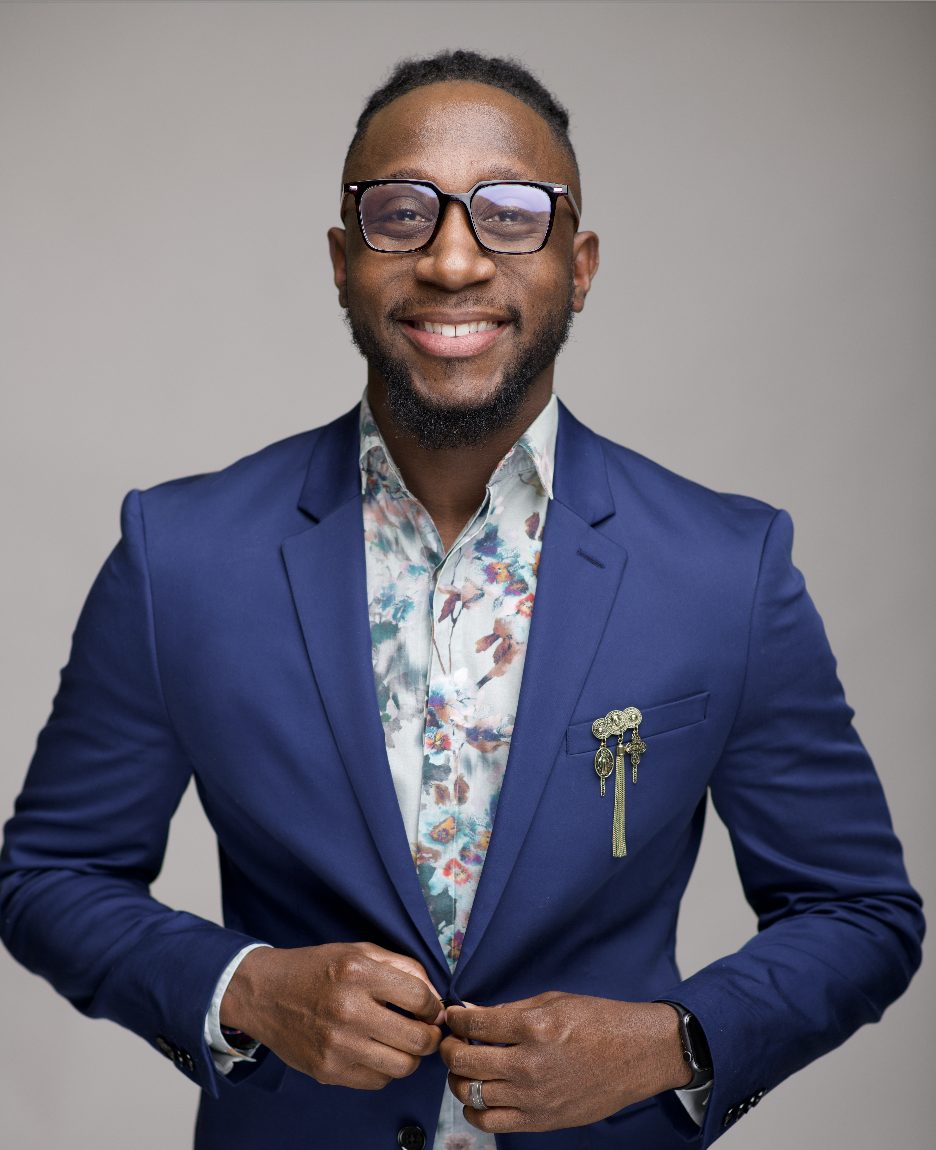
Dr. Zerek Mayes, EdD, LCSW
Founder of The Transformation Lab. Licensed Clinical Social Worker and educator with 15+ years of experience in therapy, identity development, and organizational equity consulting.
Learn more about Dr. Mayes